March 17, 2026
The modern kitchen is no longer just a utilitarian space for meal preparation; it has evolved into the sophisticated heart of the home where aesthetics and engineering meet. For homeowners in New Jersey looking to elevate their interior landscape, the choice often comes down to a fundamental stylistic divide. While American homes have long been defined by the ornate, heavy presence of traditional woodworking, a sleeker contender has taken center stage. European kitchen cabinets represent a departure from the status quo, offering a philosophy rooted in efficiency and minimalism.
At Better Home Cabinet & Stone Inc, we see firsthand how these distinct designs transform cramped or dated kitchens into streamlined masterpieces. Understanding the specific structural and visual markers that define this style is essential for any homeowner planning a significant renovation. By examining the DNA of these cabinets, we can see how they prioritize function without sacrificing an ounce of high-end elegance.
1. Embracing the Seamless Profile of Frameless Construction
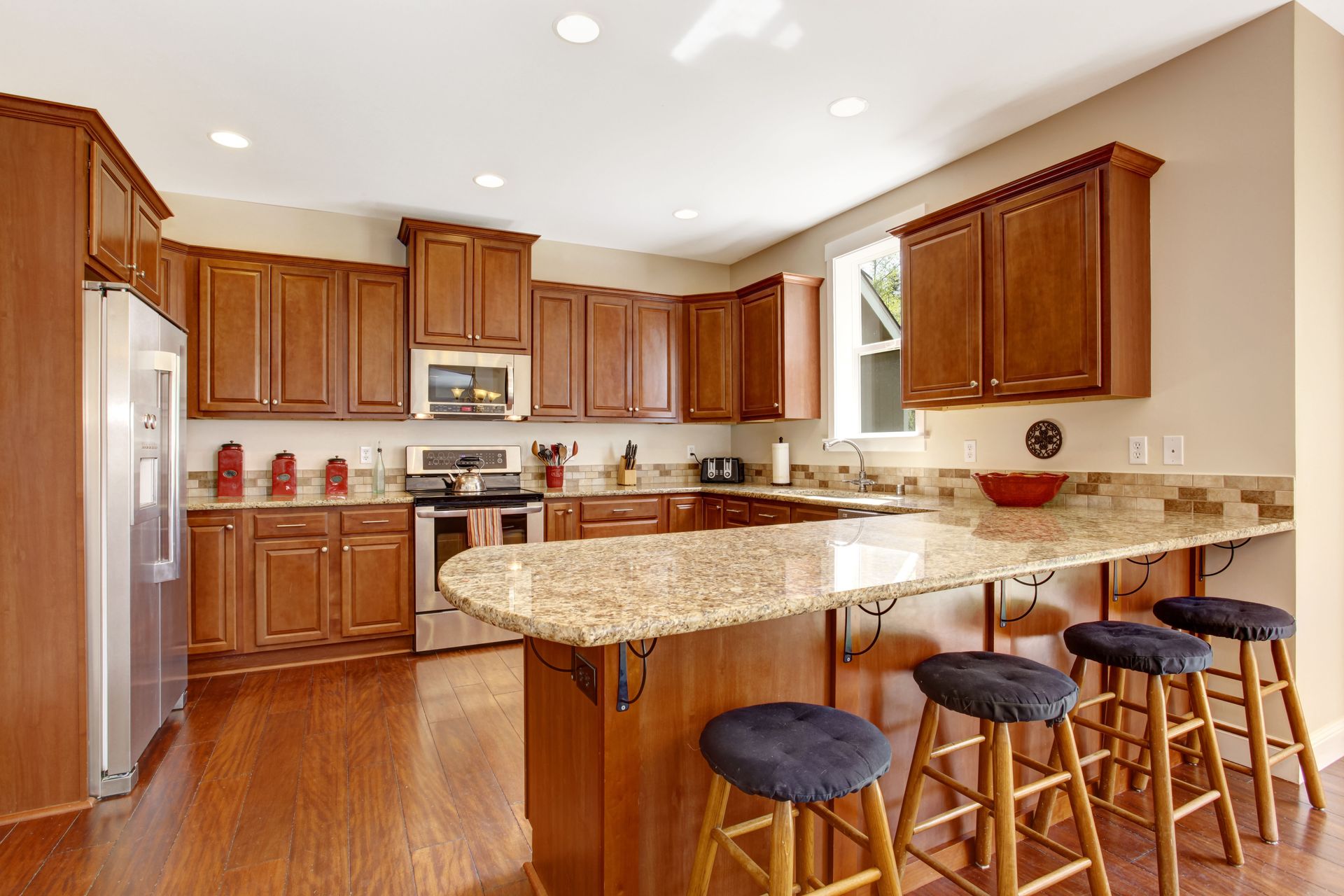
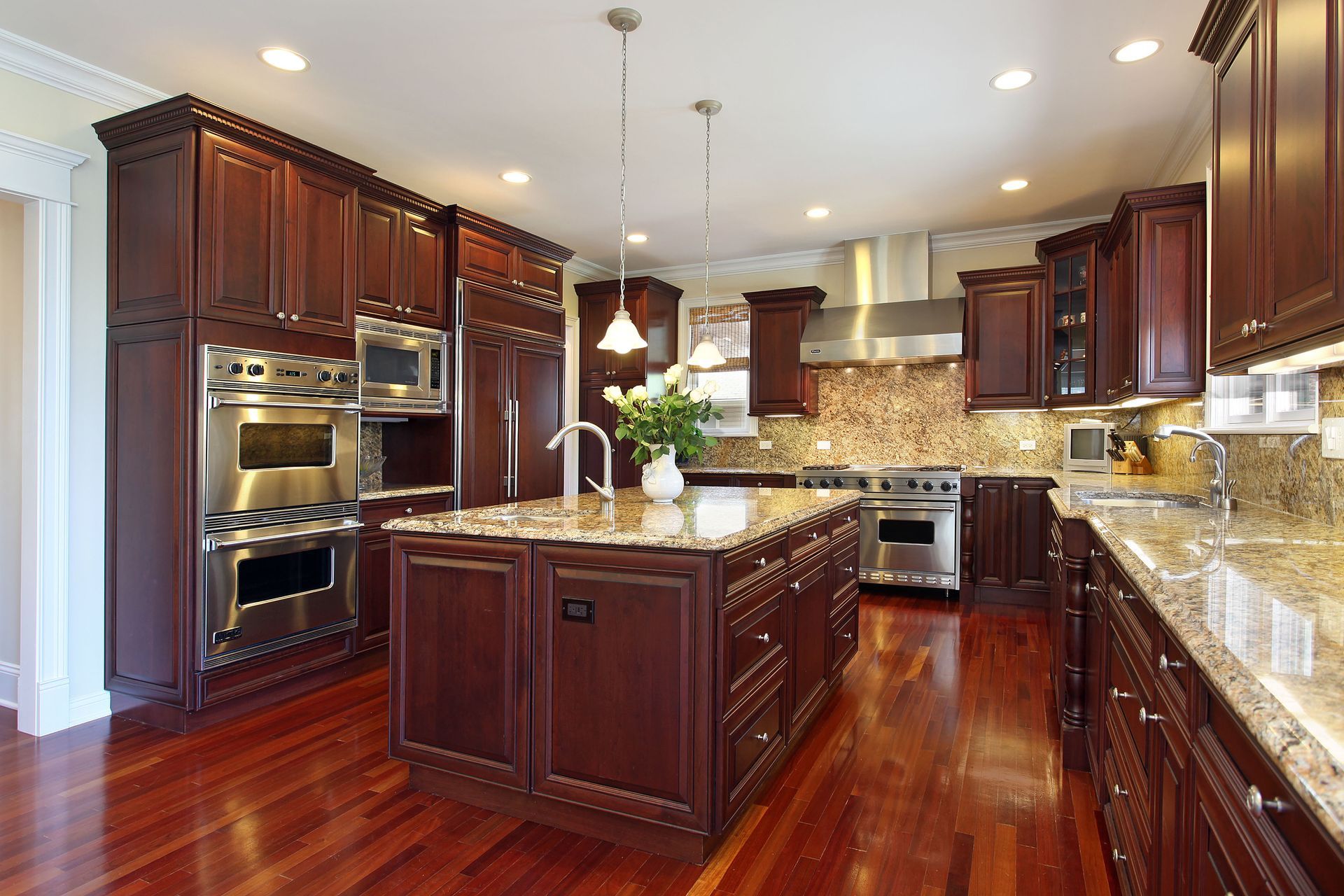
The most significant structural difference between these styles lies in how the box itself is built. Traditional cabinets utilize a face frame, which is essentially a wooden skeleton attached to the front of the cabinet box that provides structural support and a place for hinges to attach. This frame creates a visible lip around the openings, often resulting in a "shaker" or "raised panel" look where the doors sit on top of the frame.
In contrast, European kitchen cabinets utilize a frameless, or full-access, construction method. In this design, the cabinet doors are attached directly to the side walls of the cabinet box. This creates a flush, continuous surface across the entire run of cabinetry. Because there is no frame protruding into the interior space, you gain more storage room and wider drawer openings. This architectural choice is the primary reason why European designs feel so much more integrated and less cluttered than their traditional counterparts.
2. Prioritizing the Minimalist Aesthetic of Flat Panel Doors
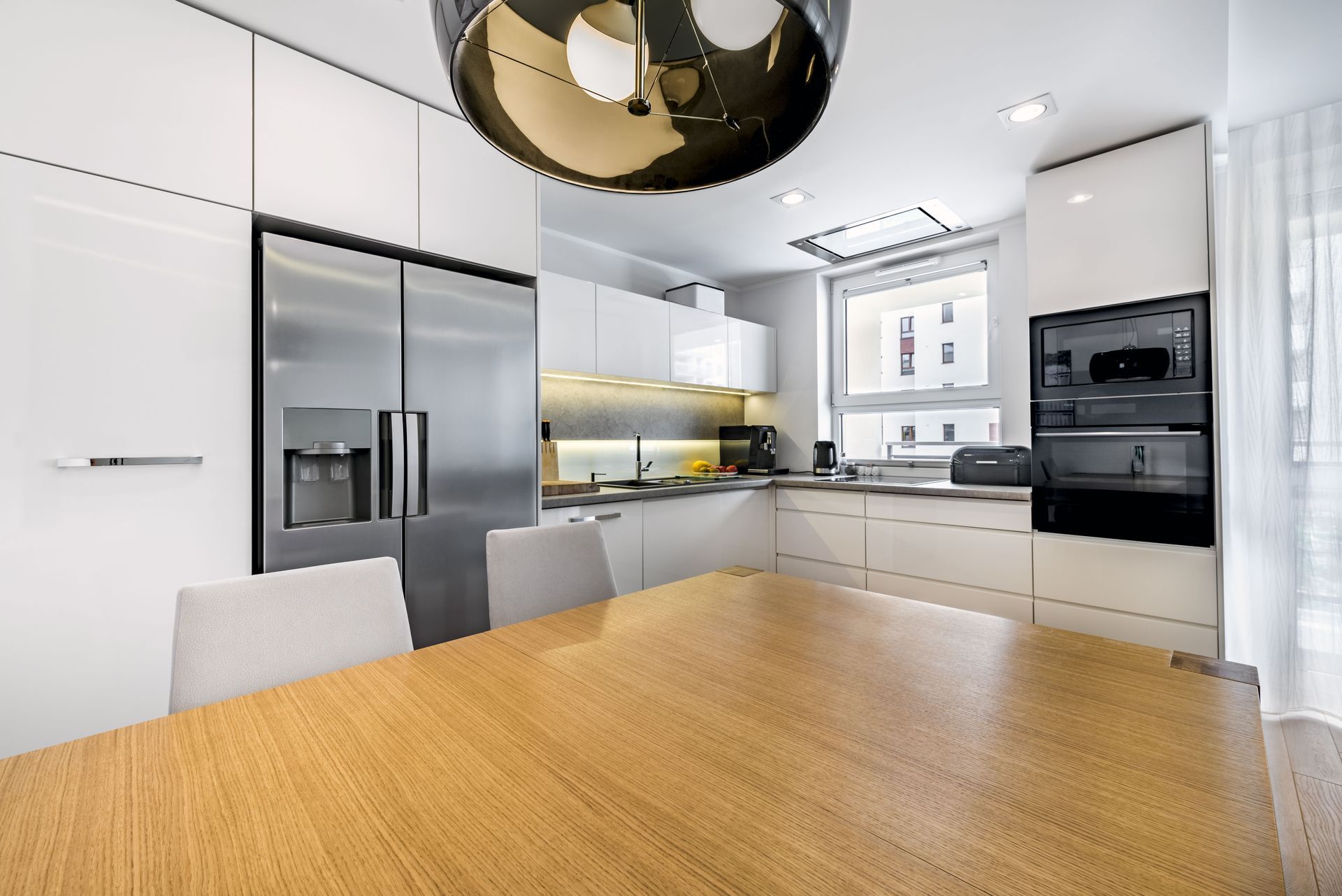
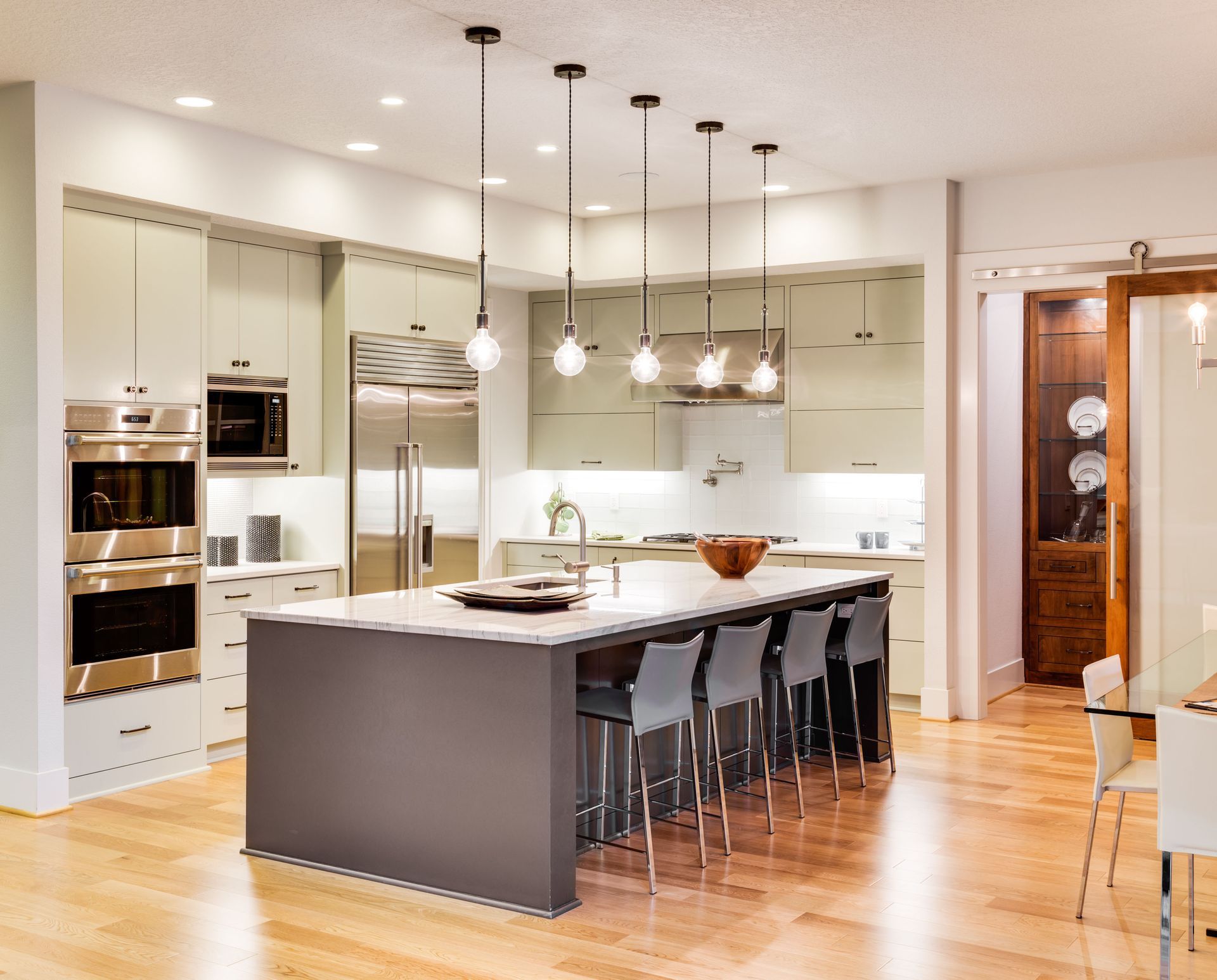
Visual simplicity is the hallmark of the European approach, which stands in stark contrast to the intricate moldings and carvings found in traditional American cabinetry. Traditional styles often lean into nostalgia, using "stiles and rails" to create depth and shadow on the door faces. European kitchen cabinets move in the opposite direction, favoring a slab or flat-panel door style. These doors offer a perfectly smooth surface that highlights the quality of the material rather than the complexity of the woodwork.
Whether the finish is a high-gloss lacquer, a matte acrylic, or a textured wood grain, the lack of ornamentation allows the material to speak for itself. This design choice makes the kitchen feel larger and more open, as the eye can glide across the surfaces without being interrupted by the busy lines of traditional joinery. It's an exercise in restraint that results in a timeless, high-end look.
3. Maximizing the Storage Potential of Full Access Interiors
Functionality is never an afterthought in European design; it's the driving force behind every measurement. Because European kitchen cabinets lack a face frame, they offer significantly more usable space within the same footprint. This is a crucial consideration when you realize that, according to HomeAdvisor, standard kitchen layouts typically feature approximately 24 linear feet of cabinets. In a traditional framed setup, a portion of those 24 feet is occupied by the vertical and horizontal pieces of the frame, which can restrict the size of platters, small appliances, or drawer inserts.
The frameless European model eliminates these obstacles, allowing for wider drawers and larger pull-out organizers. Every inch of that average 24-foot layout is optimized for storage, making it easier to maintain an organized and efficient workspace. This focus on "full access" ensures that even the smallest New Jersey kitchen can handle the demands of a modern lifestyle.
4. Utilizing the High-Tech Performance of Engineered Materials
The materials used in European kitchen cabinets often differ wildly from the solid hardwoods associated with traditional styles. While traditional cabinets rely heavily on oak, cherry, or maple, European manufacturers often utilize advanced engineered materials like medium-density fiberboard (MDF) or high-quality plywood finished with sophisticated laminates and veneers. These materials are chosen for their stability and resistance to warping, which is essential for maintaining the tight, precise tolerances required for a frameless look.
Because the gaps between doors are often as small as a few millimeters, the doors must remain perfectly flat over time. These engineered surfaces also allow for a much broader range of colors and textures, from ultra-matte "soft touch" finishes to hyper-realistic wood patterns that are more durable than actual timber. This technological edge ensures that the kitchen remains beautiful and functional for decades.
5. Highlighting the Sleek Sophistication of Hidden Hardware
In a traditional kitchen, hardware is often treated like jewelry, with decorative knobs and pulls that stand out against the wood. European kitchen cabinets take a more integrated approach, often hiding the hardware entirely to maintain a clean silhouette. This is achieved through the use of "J-channel" handles, push-to-open mechanisms, or recessed finger pulls. Even the hinges are different; while traditional hinges might be visible or bulky, European styles use concealed "cup" hinges that are fully adjustable in three dimensions.
This adjustability is what allows for the signature "tight" look, where all the doors align perfectly with uniform gaps. By removing the visual noise of protruding handles and visible hinges, the cabinetry begins to look more like high-end furniture or a seamless architectural wall. This stealthy approach to hardware is a defining characteristic of the modern luxury aesthetic.
6. Celebrating the Geometric Precision of Modular Layouts
The final distinguishing feature of European kitchen cabinets is their commitment to modularity and geometric consistency. Traditional kitchens often feature varying heights, staggered depths, and decorative crown moldings that draw the eye upward toward a classic ceiling line. European designs favor a more horizontal, linear orientation that emphasizes long, unbroken lines. This often includes tall "pantry walls" that house integrated appliances behind matching cabinet panels, creating a "built-in" look that hides the utilitarian nature of the kitchen.
The focus is on symmetry and balance, with every cabinet and drawer contributing to a larger, cohesive geometric pattern. This organized layout creates a sense of calm and order, which is a welcome relief in a busy household. It's this marriage of mathematical precision and artistic simplicity that makes European-inspired spaces so captivating.
Ultimately, the shift toward European kitchen cabinets represents a broader change in how we perceive our living spaces. We no longer want our homes to feel like museums of the past; we want them to be efficient, beautiful, and reflective of a forward-thinking lifestyle. At Better Home Cabinet & Stone Inc, we help New Jersey residents bridge the gap between old-world charm and modern innovation. By choosing a frameless, minimalist system, you aren't just buying storage; you're investing in a design language that values clarity, space, and durability.
The transition from the heavy, framed styles of the past to the sleek, high-access systems of today is more than a trend; it's an evolution of the home. Whether you're working with a compact galley or a sprawling open-plan layout, the principles of European design provide a roadmap for a kitchen that is as pleasant to look at as it is to use. Contact Better Home Cabinet & Stone Inc today to begin your transformation into a world of modern luxury.